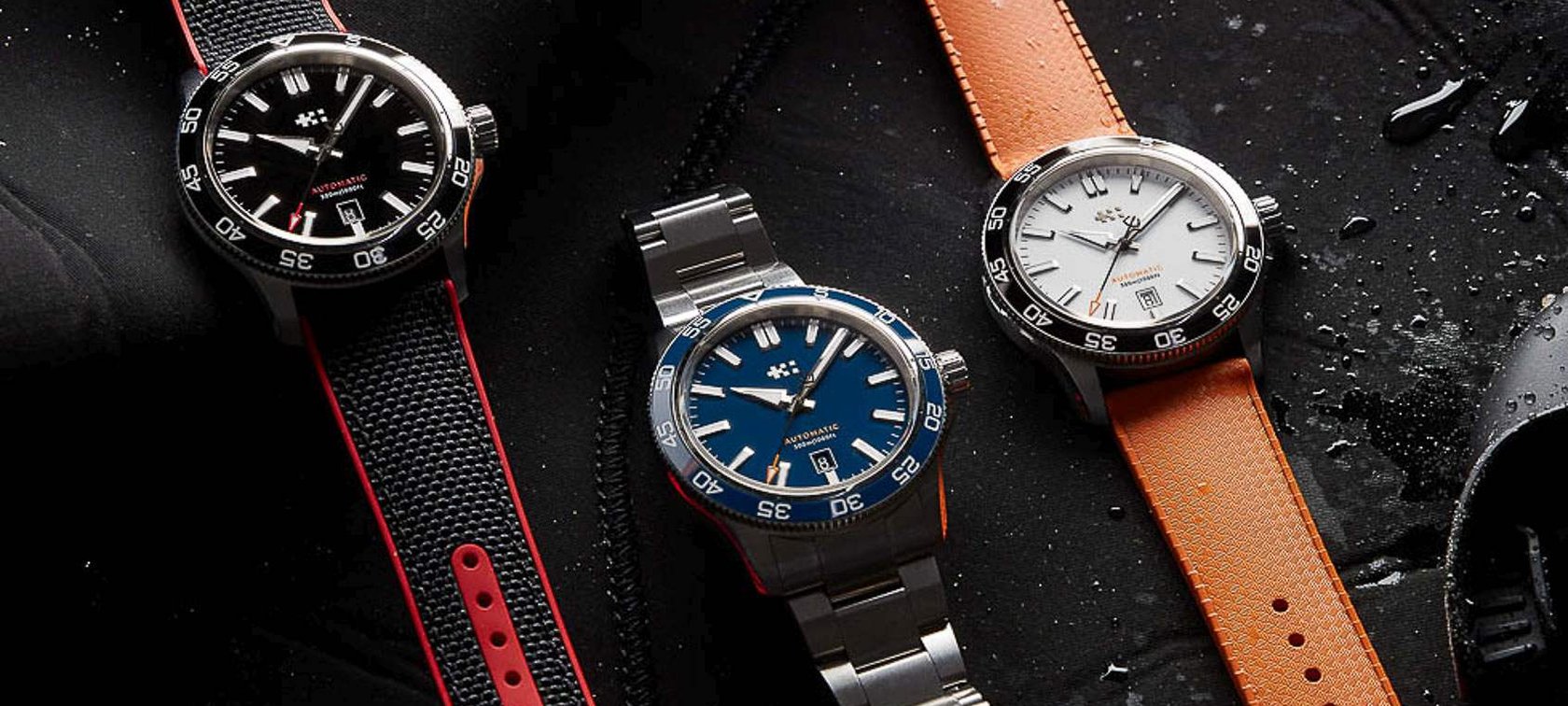
The Christopher Ward C60 Trident Pro 300 is a 300 meter automatic diver that comes in 38mm, 40mm and 42mm. The 38mm model on a bracelet lists at $1,095. It runs a Sellita SW200-1, has a ceramic bezel with a ball-bearing action, and was redesigned using feedback from the brand’s own customers. Vincent Deschamps spent a few weeks with the blue dial 38mm and came away calling it the dive watch he had been looking for.
| Spec | C60 Trident Pro 300 (38mm) |
|---|---|
| Case | 38mm diameter, 45mm lug-to-lug, 11mm thick, 20mm lugs |
| Other sizes | 40mm and 42mm |
| Movement | Sellita SW200-1, 28,800 bph (4Hz), 38 hour power reserve |
| Water resistance | 300m (30 atm) |
| Bezel | Ceramic insert, ball-bearing action, all numerals lumed |
| Lume | Super-LumiNova X1 C1, glows ice blue |
| Caseback | Exhibition |
| Bracelet | Screwed links, tool-less micro-adjust clasp |
| Price | $1,095 on bracelet |
Case and movement
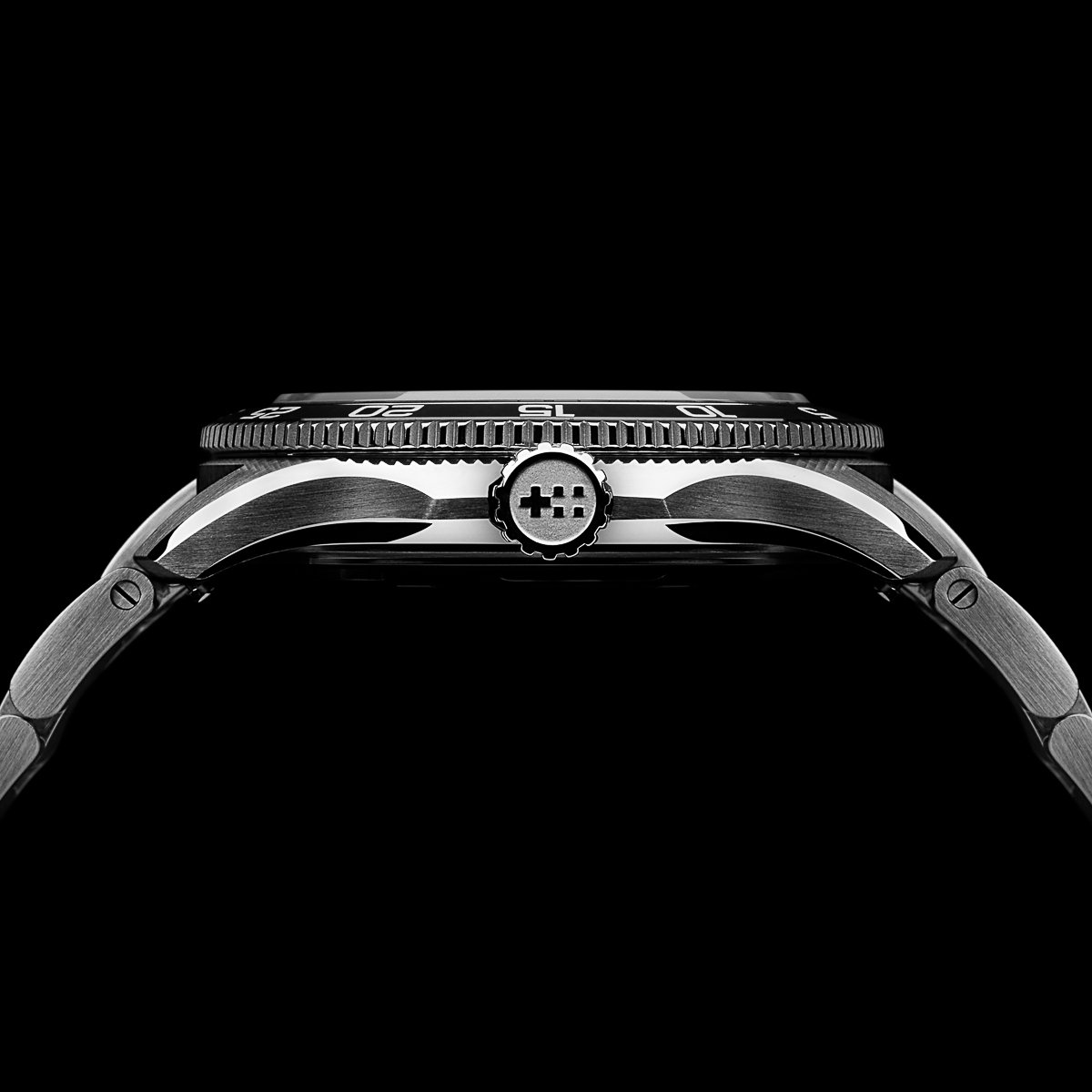
The numbers are the story here. A 38mm case with a 45mm lug-to-lug and 11mm thickness is small for a 300 meter diver, and the exhibition caseback shows the movement. The Sellita SW200-1 is a familiar movement, 4Hz with 38 hours in reserve. Christopher Ward does not regulate its movements, but the loaned watch ran well.
The Lightcatcher case is a Christopher Ward signature, and this version gets better finishing than earlier ones. The review found cleaner transitions between the brushed and polished surfaces than on the C65 Sealander GMT and the C65 36mm Sealander Automatic, and it wears slimmer than the numbers suggest.
Bezel, lume and clasp
The reviewer relays a story that Christopher Ward staff visited boutiques to find the best bezel action on the market, settled on the Rolex Submariner, and set out to match it. The method is ball bearings in place of click springs, which should wear better and give crisper clicks. The review calls it one of the best bezel actions the writer has come across.
Lume is Super-LumiNova X1 C1 in ice blue, and every numeral on the ceramic insert is lumed. The clasp gets the larger change. Screws replace pins and collars on the bracelet, and the clasp has a tool-less micro-adjustment that the review ranks among the best from an independent brand. The one complaint is that the clasp looks long against a 45mm lug-to-lug.
Dial and design
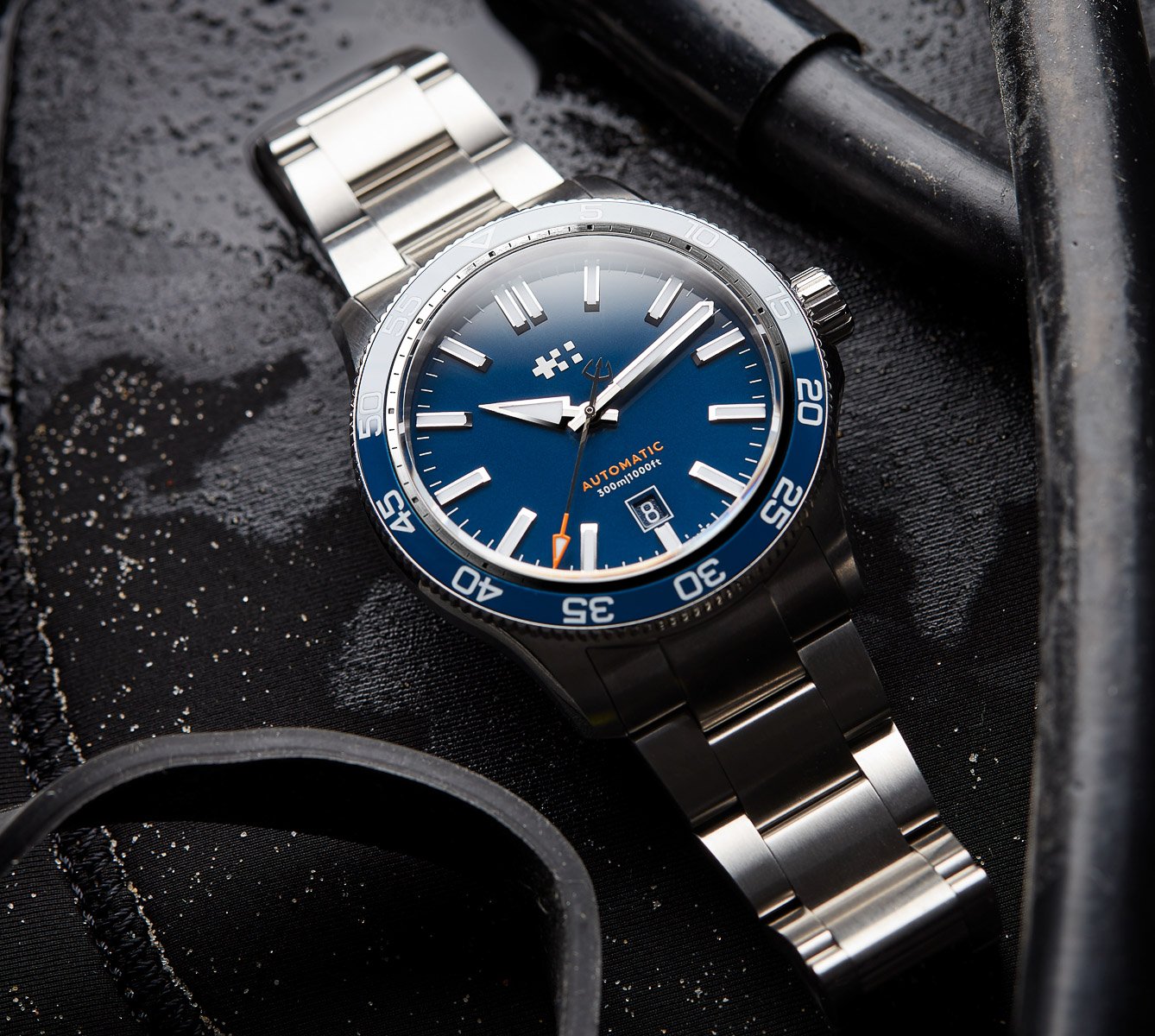
The redesign shows most on the dial and bezel. A stainless steel ring now sits between the crystal and the bezel, which moves the minute graduations off the insert and leaves the insert cleaner. The logo is the “Twinflag,” a mark combining the British and Swiss flags, in place of spelled-out brand text. It keeps the dial sparse in the way older tool watches were.
Broad arrow hands and rectangular applied markers have been Christopher Ward staples for years. The proportions of both were reworked here, and the review found the dial balanced enough to look classic already. Legibility is high from across a room, which is the point of a diver.
Price and the Submariner argument
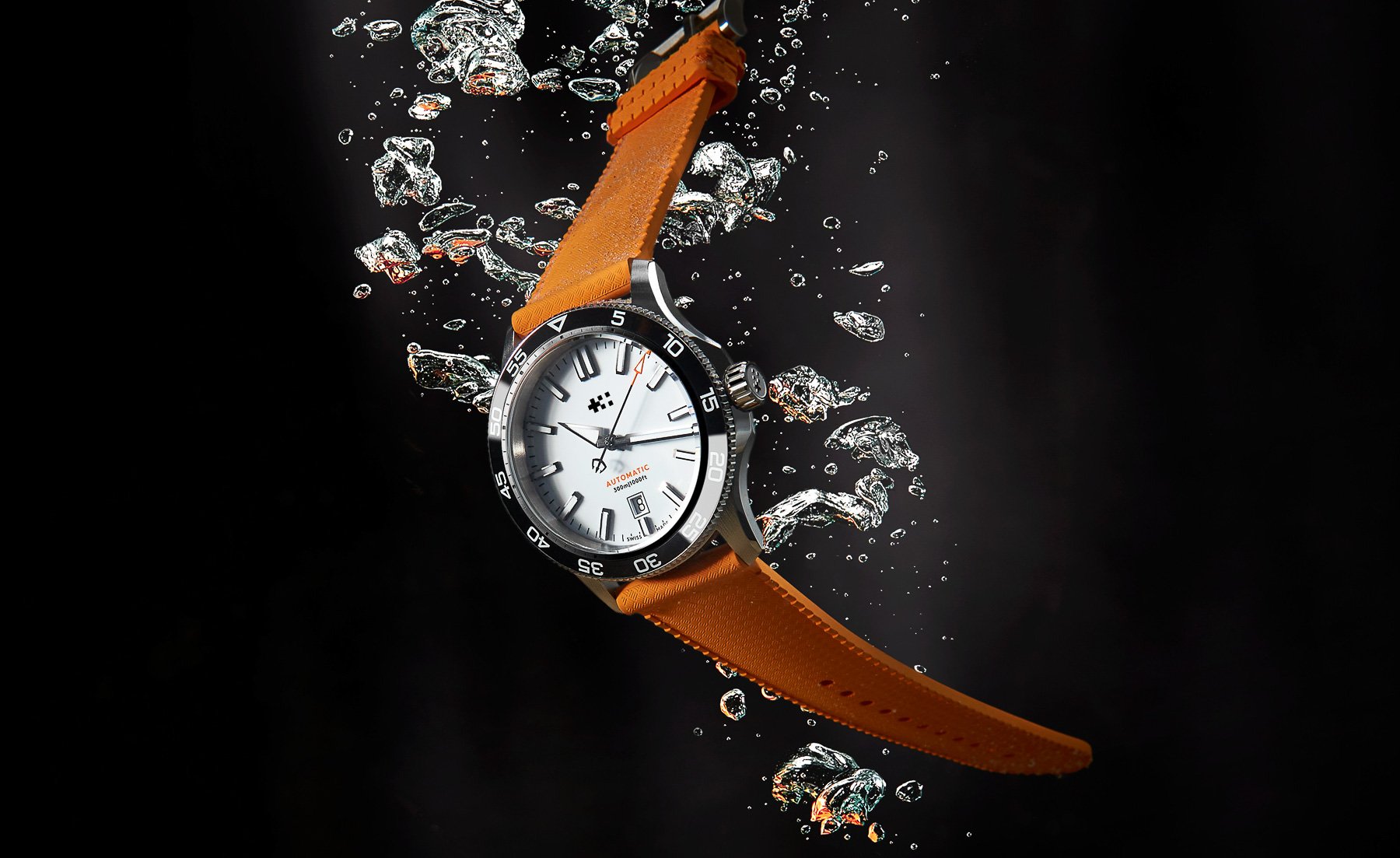
The review’s argument is price. It puts a current Submariner at about $10,000, against an inflation-adjusted retail price of roughly $1,500 in the 1970s. A $1,095 Trident Pro 300 lands much nearer the old figure and brings 300 meters, a ball-bearing ceramic bezel and a micro-adjust clasp. The subtitle says Rolex can’t make this watch anymore, and the writer adds that most independents can’t either. That part is opinion. The spec sheet at that price is not.
One source of bias is disclosed. The reviewer has covered about a dozen Christopher Ward models over three years and says the brand is a favorite, so treat the enthusiasm with that in mind. The specs and the price stand on their own.
Verdict
At $1,095 the Trident Pro 300 is a well-specified 300 meter diver in a size that suits smaller wrists. It sits just above the $1,000 mark, so if that is your ceiling, start with our best dive watches under $1,000. If you can stretch, the 38mm is the one that stands out, and the 40mm and 42mm share the redesign.
Hands-on observations come from Vincent Deschamps’ review of the blue dial 38mm C60 Trident Pro 300.